
Why Wool Still Wins
Hazel Brannigan · 18 February 2026
Synthetics beat wool on price and on stain resistance. Wool keeps winning anyway, and the reasons are structural.
The fibre does several jobs at once
Wool is not the best material for any single property. Nylon wears better under heavy traffic, polypropylene resists staining more cheaply, and both cost less to manufacture. On any one axis wool loses.
It wins on the combination. A fibre that is naturally resilient, naturally flame-retardant, holds dye beautifully and manages moisture in the air is doing four jobs at once, and no synthetic yet does all four without compromise.
Resilience is the property that matters
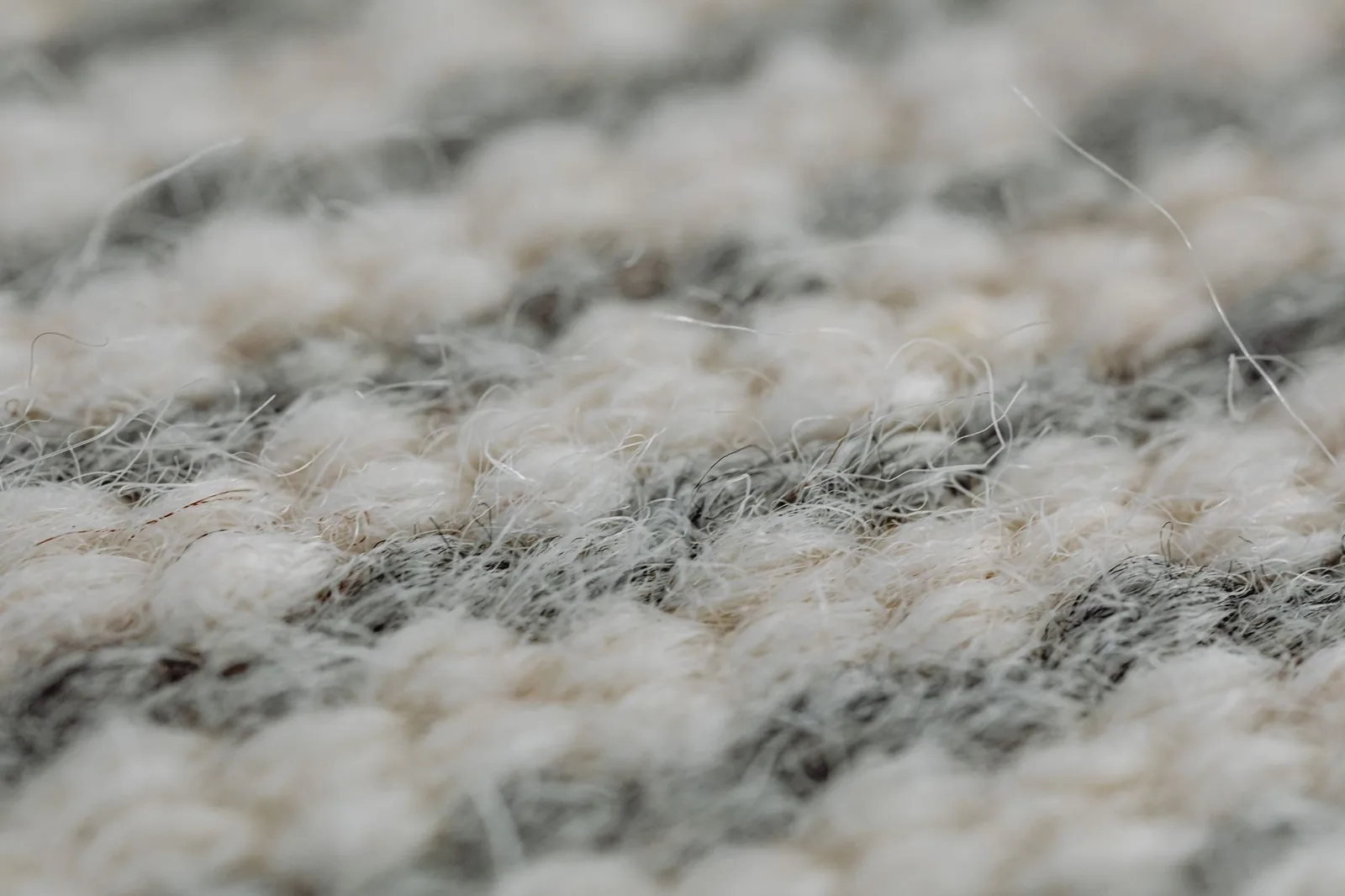
The reason a wool carpet still looks acceptable after fifteen years is crimp. Each fibre is naturally kinked, so it behaves like a spring rather than a strand, and it recovers its shape after being crushed underfoot.
Synthetics can be engineered to imitate this and the better ones do it well for a while. The difference shows up in the traffic lanes after a decade, which is a hard thing to demonstrate in a showroom and easy to see in a hallway.
The practical consequence is worth stating plainly: a wool carpet in a hallway will look tired in the traffic lane and recover a good deal of that appearance after a professional clean. A flattened polypropylene one will not.
It handles moisture rather than repelling it
Wool can absorb a substantial proportion of its own weight in water vapour without feeling damp, then release it again as conditions change. In a British house that is genuinely useful, and it is why wool rooms feel less clammy in autumn.
The trade-off is that wool dislikes standing water and dries slowly once actually wet. It is a moisture buffer, not a waterproof surface, and treating it as the latter is how people ruin one.
Where the money goes
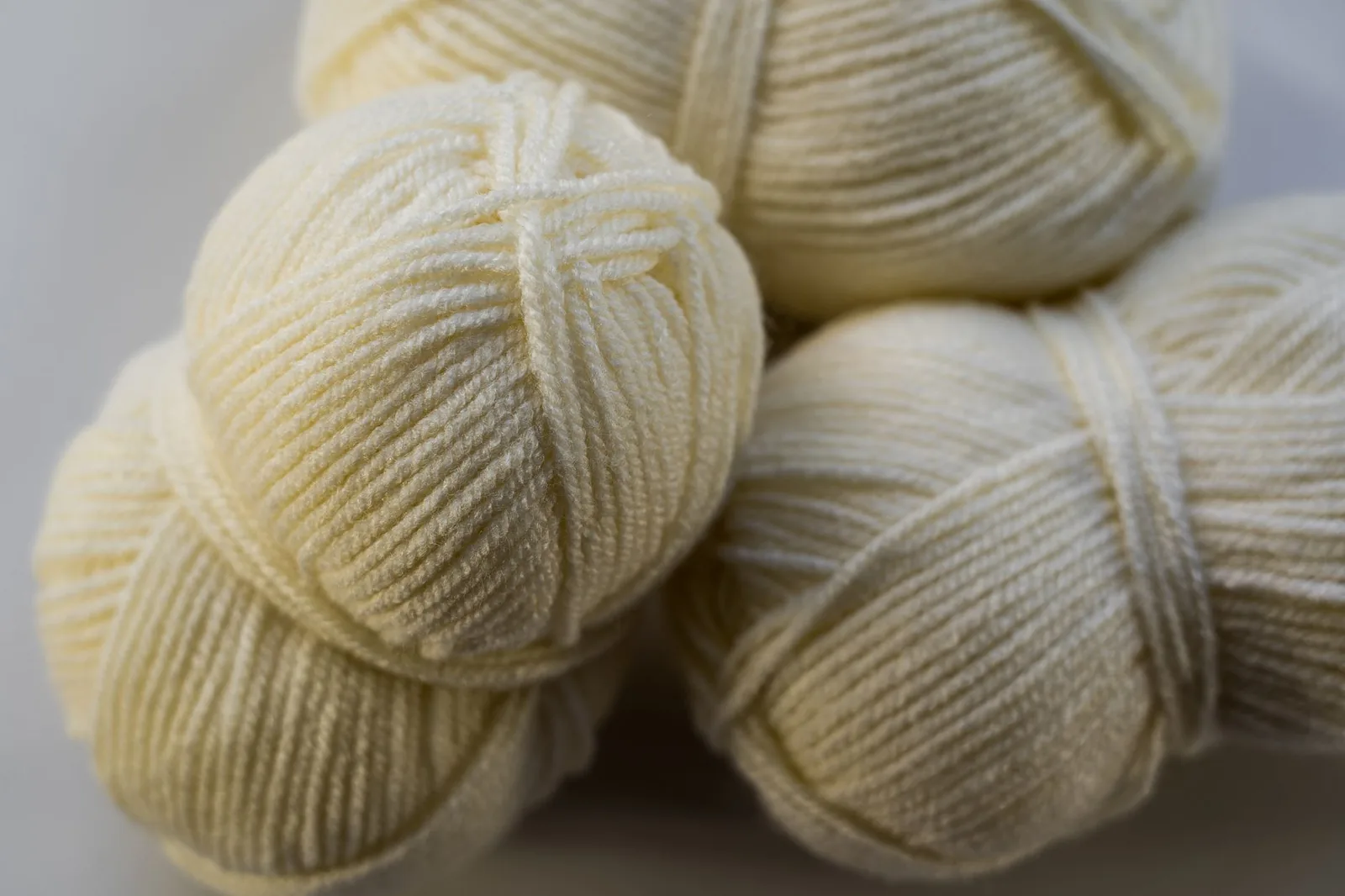
A wool rug costs more up front and the gap narrows considerably over its life, which is the argument that never quite lands at the point of purchase. The useful comparison is cost per year, not cost per square metre.
If you are working out what to buy, it is worth reading a proper comparison before committing; there is a reasonable breakdown of what separates the grades when choosing a wool area rug that covers construction as well as price.
The fire argument
Wool chars rather than melting, and it self-extinguishes in most domestic conditions without any treatment. Synthetics have to be treated to approach that, and the treatment is a chemical applied to the fibre rather than a property of it.