
The Ardabil Carpet, and What a Floor Can Be
Hazel Brannigan · 4 March 2026
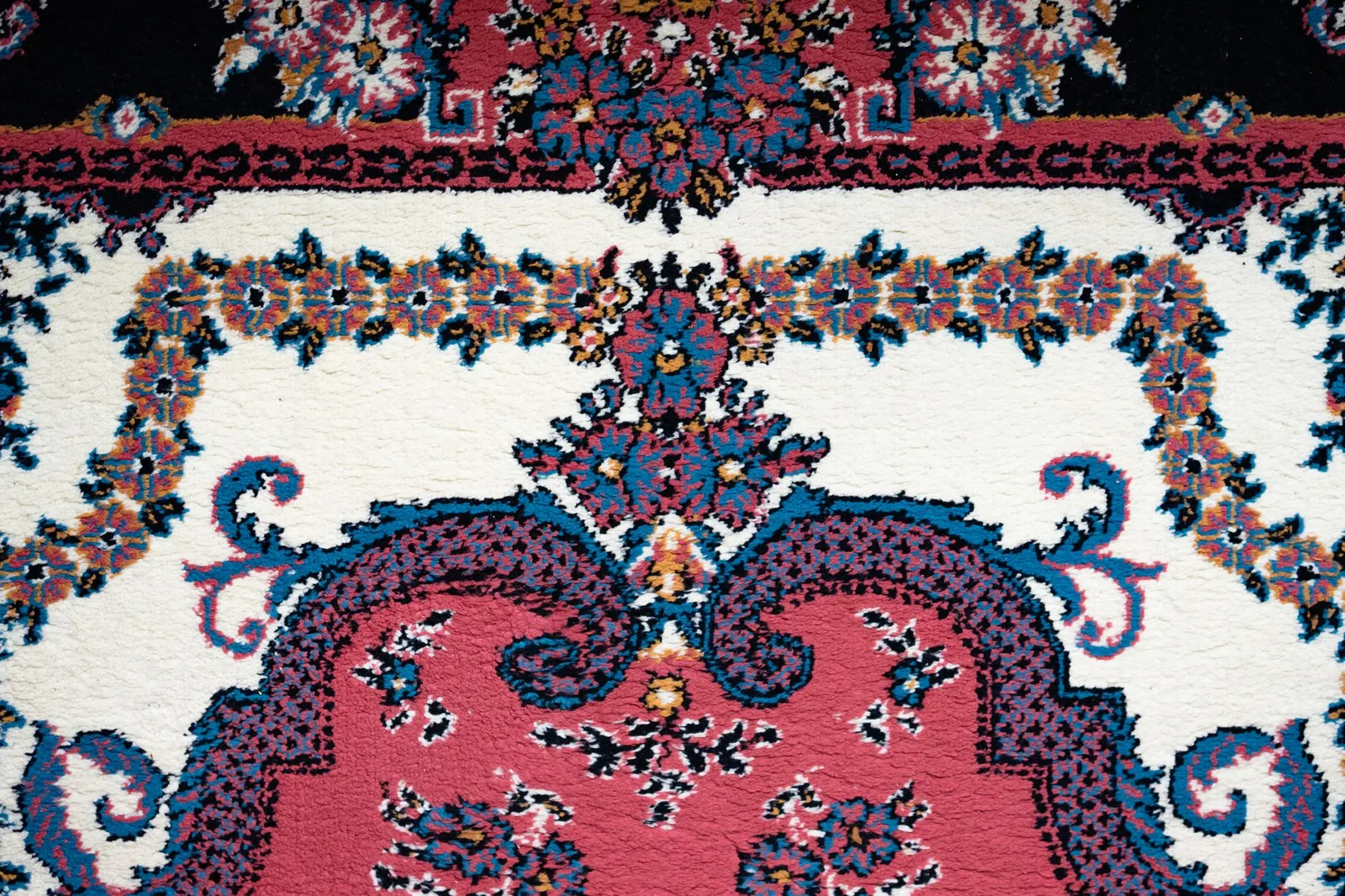
One sixteenth-century carpet, roughly twenty-six million knots, and a useful reminder about what this trade once was.
An object built over years
The Ardabil Carpet is among the most significant surviving pieces of Islamic art and one of the oldest dated carpets in the world. It is enormous, extraordinarily fine, and it took a workshop of weavers a very long time to produce.
It now sits in a dimly lit room in London, because the dyes would fade otherwise. The V&A's account of it is worth reading for the scale of the undertaking alone.
Knot density is not a marketing number
Modern rug marketing throws knot counts around as a proxy for quality, which is only loosely true. What density actually buys is resolution: the finer the knots, the smaller the detail the design can carry.
A coarse tribal rug with fifty knots to the square inch is not a worse object than a fine city carpet with five hundred. It is a different design problem with a different answer.
The pattern is structural
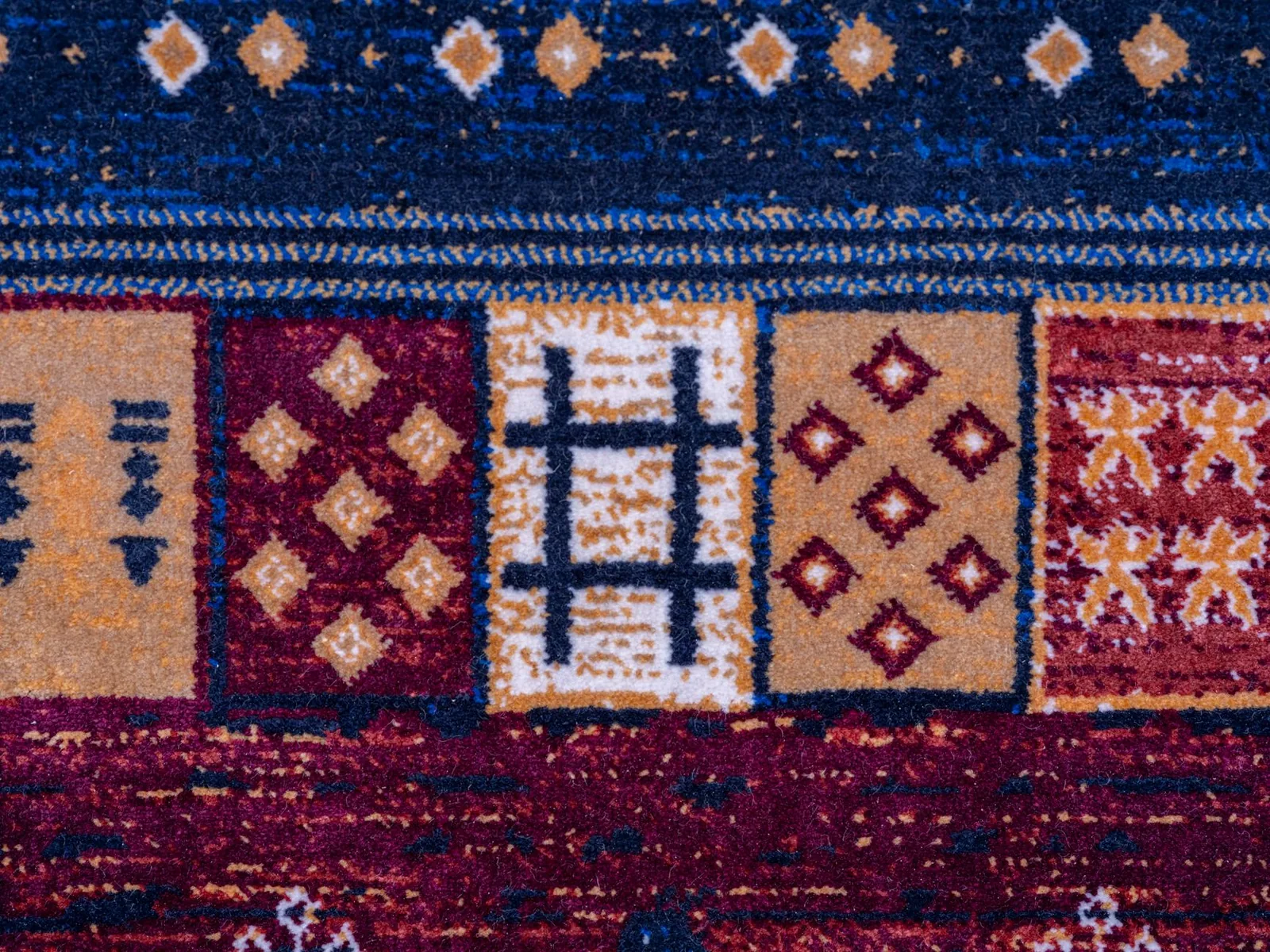
The medallion layouts on classical Persian carpets are not decoration applied to a surface. They are how a weaving team coordinated across months of work, dividing an enormous field into sections that could be planned, checked and matched.
This is why the geometry is so exact and why errors, where they occur, propagate in straight lines. It is a manufacturing system as much as an aesthetic.
What survives and why
Almost everything made before the nineteenth century has gone, because carpets were used until they wore out and then thrown away. What survives is largely what was too valuable, too ceremonial or too well-stored to be walked on.
The ordinary floorcoverings of the past are effectively invisible to us. We know a great deal about the exceptional pieces and very little about what most people actually had underfoot.
What the museums cannot show
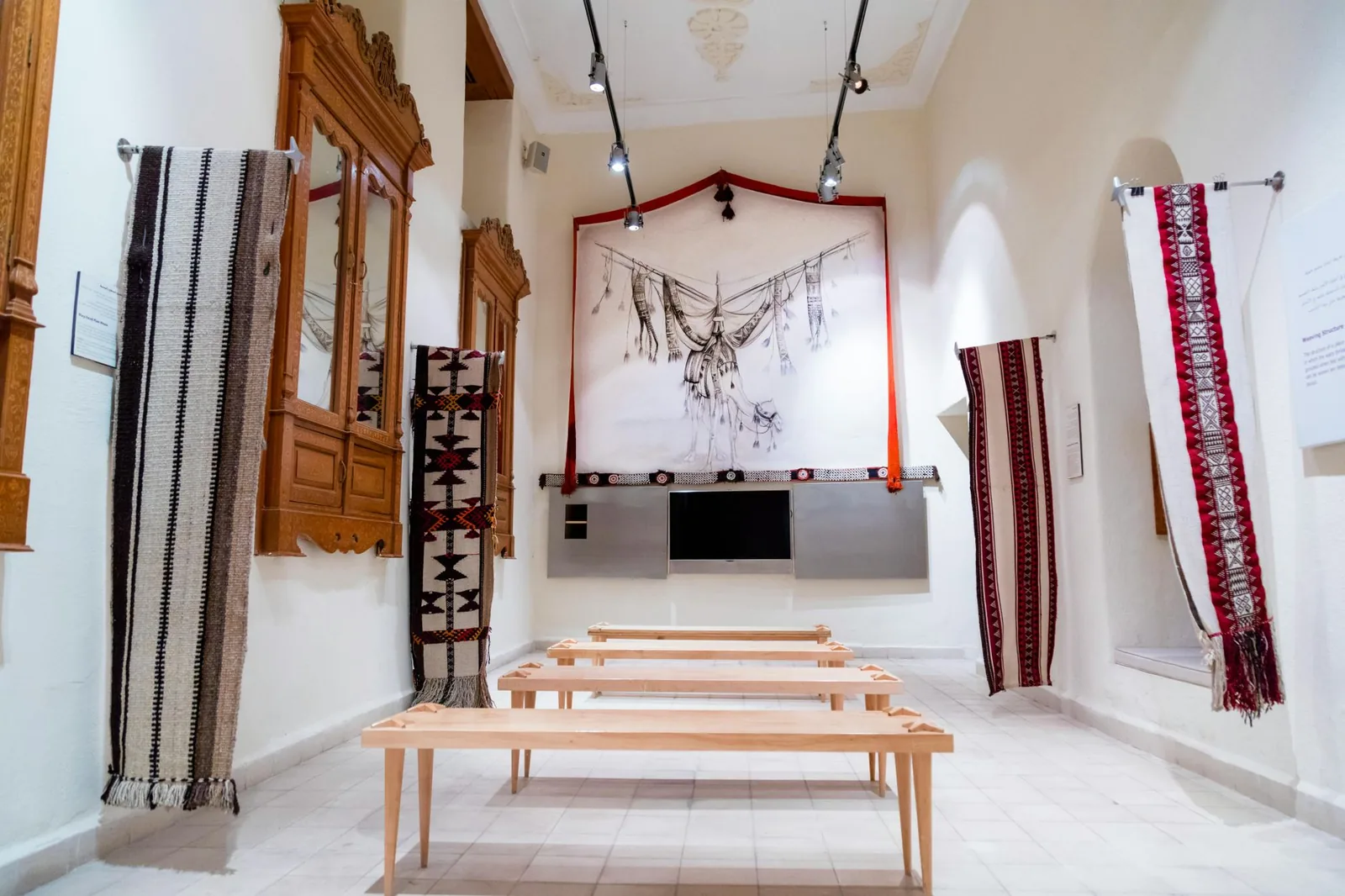
A carpet in a case is displayed as a picture, hung or lit from above, which is the one way it was never meant to be seen. These were floor objects, walked on, viewed at an angle in changing light.
The pile direction alone changes the colour depending on where you stand. In a vitrine that effect is lost entirely.