
British Wool and Where It Actually Goes
Hazel Brannigan · 13 May 2026
Britain produces a great deal of wool. Very little of it ends up as clothing, and there is a good reason.
Coarse, and deliberately so
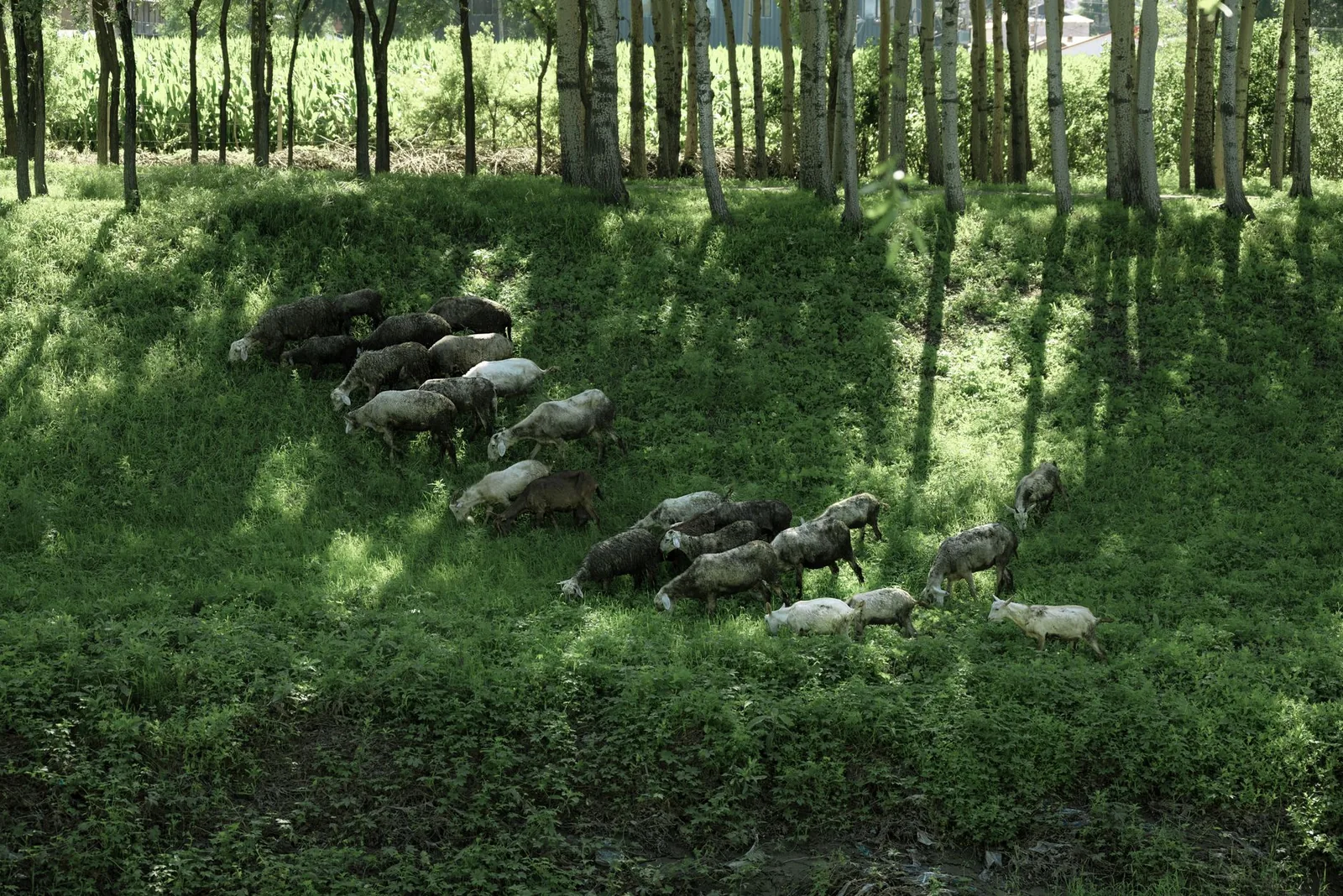
British hill breeds produce a strong, coarse, resilient fleece. It is unsuitable for garments worn next to the skin and close to ideal for carpets, where springiness and abrasion resistance matter and softness does not.
This is not a deficiency. Centuries of breeding for upland conditions produced sheep suited to upland conditions, and the fleece follows.
The carpet trade is the market
A substantial share of the domestic clip goes into carpets and rugs rather than textiles. When people ask why British wool is not in their jumper, the answer is usually that it is in their stairs.
The clip is graded and marketed centrally; British Wool handles collection and grading for the majority of UK producers.
The economics are difficult
For a long stretch, the price a farmer received for a fleece did not cover the cost of shearing, which is a legally required welfare operation regardless. Wool became a by-product of meat production rather than a crop.
That has moved somewhat, but the structural problem remains: a natural fibre competing with petrochemical alternatives produced at industrial scale.
There is a second-order effect worth noting. Because the carpet trade is the main market, demand for wool floorcoverings feeds back into whether upland flocks are viable at all.
Why it matters for a floor
Buying a wool carpet made from British wool is one of the few consumer decisions in this category with a legible supply chain behind it. The fleece is traceable, the grading is documented and the processing is largely domestic.
That is worth something in a market where most floorcovering arrives with no meaningful provenance at all.